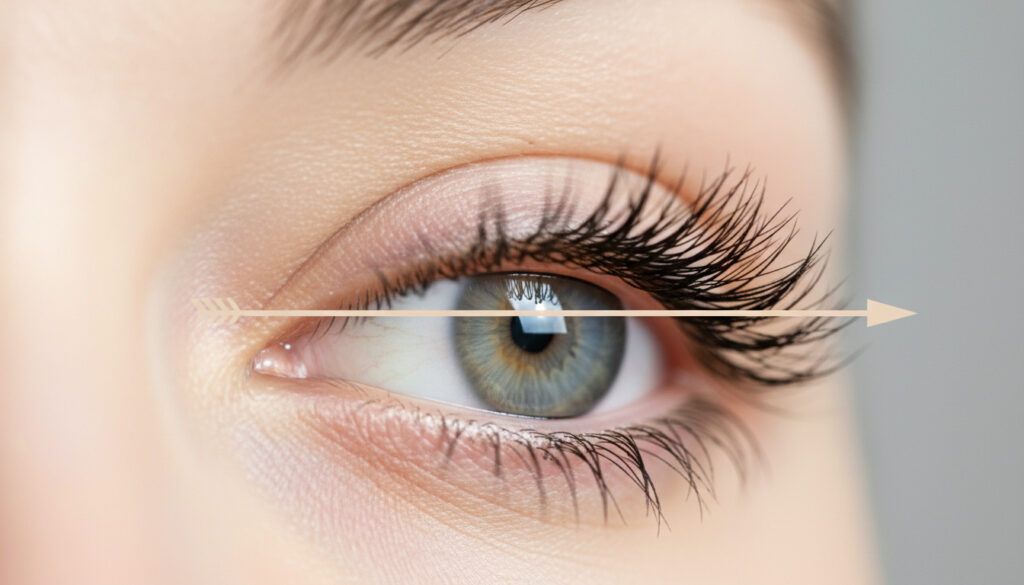
Do Eyelashes Grow Back – Timeline, Causes and Recovery Tips
Eyelashes do grow back for most people, following a predictable biological rhythm that spans several weeks. Each lash undergoes a continuous cycle of growth, transition, and resting phases, meaning that individual hairs are constantly regenerating even when others fall out. The follicle must remain intact for regrowth to occur, which is the case for the vast majority of temporary loss events.
The complete eyelash growth cycle operates independently for each lash, creating a staggered pattern where approximately 40 percent of lashes are actively growing at any given moment. This asynchronous shedding explains why noticeable gaps rarely appear despite the daily loss of one to five lashes. Understanding this cycle helps distinguish between normal renewal and concerning hair loss that may require medical attention.
Permanent loss only occurs when the hair follicle itself suffers destruction, typically from severe scarring, burns, or specific autoimmune conditions. In these cases, the biological machinery necessary for regeneration no longer exists. For all other scenarios—including mechanical pulling, cosmetic damage, or chemotherapy—the follicle enters a temporary resting state before eventually restarting production.
Do Eyelashes Grow Back?
Regrowth occurs if follicles remain intact
4–16 weeks per lash
~0.12–0.15mm per day
Only with follicle destruction
Key Insights
- Natural shedding is normal: Losing 1–5 lashes daily represents healthy follicular turnover as hairs reach the end of their lifespan.
- Follicle integrity determines fate: The microscopic structure beneath the skin must survive trauma for regrowth to proceed.
- Anagen length limits size: The duration of the active growth phase dictates final lash length, varying by genetics.
- Trauma triggers telogen: Physical stress forces premature entry into the resting phase, delaying but not preventing return.
- Chemotherapy interrupts temporarily: Cytotoxic drugs halt division but rarely destroy lash follicles permanently.
- Independent cycles create uniformity: Each lash follows its own timeline, preventing total baldness.
- Scarring alters prognosis: Thermal or chemical burns that damage dermal tissue may eliminate regrowth capacity.
Essential Facts
| Phase | Duration | Characteristics |
|---|---|---|
| Anagen (Growth) | 4–10 weeks | Active keratin production; ~40% of lashes in this phase |
| Catagen (Transition) | 2–3 weeks | Follicle shrinks; growth ceases; lash anchors weaken |
| Telogen (Resting) | 4–9 weeks | Dormant phase before shedding; new hair begins forming below |
| Full Length | 8–12mm | Average mature eyelash length achieved |
| Daily Loss | 1–5 lashes | Normal physiological shedding rate |
| Regrowth Window | 6 weeks–3 months | Typical recovery period depending on cause |
| Post-Chemo Return | 8–12 weeks | Timeline following completion of treatment |
| Extension Recovery | 6–12 weeks | Period after removal or damage from adhesives |
How Long Does It Take for Eyelashes to Grow Back?
The timeline for visible regrowth varies significantly based on the triggering event. Natural shedding follows the standard biological clock, while trauma or medical interventions introduce variables that extend the waiting period. Most individuals observe new growth within six weeks, though achieving full density and length requires additional time.
Typical Timeline by Cause
Standard physiological replacement occurs within six to eight weeks as the follicle naturally re-enters anagen. Mechanical removal through pulling or plucking extends this to six to twelve weeks, particularly if the hair was forcibly extracted during the growth phase. Eyelash extensions similarly demand six to twelve weeks for recovery, especially when adhesives stress lashes during the vulnerable catagen or telogen stages according to lash technicians.
Chemotherapy presents a distinct pattern. Rather than immediate return, regrowth begins eight to twelve weeks after the final treatment session, with variations depending on specific drug protocols and dosage. This delay reflects the time required for follicular stem cells to recover from cytotoxic suppression.
Growth Cycle Phases
The anagen phase lasts between four and ten weeks, during which lashes grow approximately one millimeter per month. This period determines ultimate length, with genetic factors influencing whether an individual achieves longer or shorter maximums. Clinical observations indicate that only about 40 percent of lashes occupy this active growth stage simultaneously.
Catagen follows as a two to three week transitional period where cellular division halts and the follicle contracts. Finally, telogen lasts four to nine weeks (or up to 100 days in some observations) before the lash detaches. Extension specialists emphasize that applying weight during catagen or telogen accelerates premature loss.
Because each lash operates on an independent schedule, complete sets never regenerate simultaneously. This biological safeguard ensures continuous protective coverage for the eye, though it creates the appearance of uneven growth during recovery periods.
Why Won’t My Eyelashes Grow Back?
When regrowth fails to materialize within three to four months, underlying pathological factors likely interrupt the normal cycle. Identifying whether the cause stems from behavioral habits, environmental damage, or systemic disease determines the appropriate intervention.
Common Causes of Loss
Mechanical stress represents the most frequent culprit. Chronic rubbing, aggressive makeup removal, or improper eyelash curler use physically dislodges hairs. Extensions and adhesives compound this risk by adding weight to already fragile structures, particularly when applied to lashes in the transitional catagen phase. Technicians note that extensions attached during growth phases fare better than those placed on resting lashes.
Chemical trauma from burns—thermal, chemical, or radiological—destroys the follicular architecture necessary for regeneration. Unlike temporary shedding, scarring permanently alters the dermal landscape, preventing new hair emergence.
Medical Conditions
Alopecia areata and other autoimmune disorders attack hair follicles, potentially causing permanent loss if scarring ensues. Thyroid dysfunction prolongs telogen phases until hormonal balance returns. In these cases, regrowth remains impossible without treating the primary condition. Dermatological assessments recommend professional evaluation when gaps persist beyond standard timelines.
How Can I Make My Eyelashes Grow Back Faster?
While no method circumvents the biological minimum of the growth cycle, certain interventions optimize conditions for maximum speed and density. Evidence-based approaches focus on extending the anagen phase and minimizing further trauma.
Clinical Interventions
Bimatoprost ophthalmic solution, marketed as Latisse, represents the only FDA-approved pharmacological option for hypotrichosis. Clinical data demonstrates that nightly application extends the anagen phase, producing lashes approximately 25 percent longer and thicker than baseline. This synthetic prostaglandin analog works by increasing the percentage of hairs in active growth while prolonging that phase duration.
Latisse synchronizes with natural biological rhythms rather than overriding them. Results typically manifest after four to six weeks of consistent nightly application, with full effects visible at 16 weeks. Discontinuation returns lashes to baseline within weeks.
Natural Remedies and Care
Castor oil enjoys widespread anecdotal support for conditioning lashes, though no peer-reviewed studies from 2024 confirm growth acceleration properties. Users apply it for perceived nourishment and moisture retention. Gentle handling proves more impactful than topical oils—avoiding waterproof mascara that requires rigorous removal, sleeping on silk pillowcases to reduce friction, and discontinuing mechanical curlers prevents additional loss.
Burned or traumatized skin requires immediate dermatological consultation. If scarring destroys follicles, regrowth becomes impossible without surgical intervention such as hair transplantation. Early treatment of burns maximizes the probability of follicular survival.
What Is the Step-by-Step Regrowth Process?
-
The lash detaches, triggering the follicle to transition from telogen to early anagen preparation.
-
New keratin production begins at the root, though the emerging hair remains microscopic and beneath the skin surface.
-
The new lash breaks through the follicular opening, appearing as fine, light-colored stubble along the lid margin.
-
The lash achieves significant visible length, though potentially thinner or lighter than mature neighbors.
-
Full length and pigment return as the lash completes anagen; neighboring hairs catch up, restoring uniform appearance.
What Is Definitive vs. Uncertain About Regrowth?
| Established Facts | Uncertain or Variable Factors |
|---|---|
| Lashes regrow if follicles remain structurally intact | Exact efficacy of castor oil and unregulated serums |
| Complete cycle spans 4–16 weeks depending on cause | Individual genetic variations in anagen duration |
| Chemotherapy causes temporary, reversible loss | Statistical rates of permanent loss in alopecia patients |
| Bimatoprost extends anagen phase by 25% | Long-term effects of cosmetic extensions on follicle health |
| Scarring prevents regeneration | Precise influence of nutritional supplements on growth speed |
How Does Eyelash Biology Compare to Other Hair?
Eyelash follicles operate on significantly abbreviated timelines compared to scalp or eyebrow hair. While scalp hair remains in anagen for two to seven years—explaining why head hair grows much longer—eyelash anagen lasts merely one to two months. Comparative studies highlight this biological constraint as the primary reason lashes cannot grow indefinitely.
Eyebrows occupy a middle ground, with full cycles ranging from 90 days to 11.5 months. Research indicates that eyebrows grow slower overall but remain less vulnerable to extension-related damage or chemotherapy effects. Understanding these distinctions prevents unrealistic expectations when comparing regrowth rates across different body areas.
The density differs markedly as well. The human eye maintains approximately 90–150 lashes on the upper lid and 70–80 on the lower, compared to hundreds of thousands of scalp follicles. This limited inventory makes each lash more noticeable when lost, despite the relatively rapid replacement cycle.
What Do Clinical Sources Confirm About Regrowth?
Eyelashes cycle through anagen (growth), catagen (transition), and telogen (resting/shedding) phases, shorter than scalp hair but similar in structure. Not all lashes shed simultaneously due to independent cycles, leading to gradual, uneven regrowth.
— Omniatelehealth Clinical Review
Full regrowth typically takes 6 weeks to 3 months, varying by cause: natural shedding (6-8 weeks), pulling/plucking (6-12 weeks), chemotherapy (8-12 weeks post-treatment), or trauma/burns (may prolong if scarring occurs).
— Lashify Dermatological Research
Latisse (bimatoprost) extends anagen phase (4-6 weeks), syncing with natural rhythm for 25% longer/thicker lashes; apply nightly.
— Omniatelehealth Pharmacological Analysis
What Is the Final Verdict on Eyelash Recovery?
Yes, eyelashes grow back for most individuals within a predictable window of six weeks to three months, provided the follicle remains undamaged. The specific duration depends on the loss mechanism, with natural shedding resolving fastest and chemotherapy requiring the longest recovery. Those seeking to optimize results may consider how long does it take for eyelashes to grow back based on their specific circumstances, while consulting dermatologists for losses persisting beyond three months.
Frequently Asked Questions
Do eyelashes grow back after eyelash extensions?
Yes, typically within six to twelve weeks after removal. Damage occurs when extensions stress lashes during the catagen or telogen phases, but follicles usually recover once the weight and adhesive are eliminated.
Can eyelashes grow back if pulled out?
Yes, unless the follicle sustains permanent damage from repeated plucking. Regrowth takes six to twelve weeks, though trichotillomania (compulsive pulling) may eventually scar tissue and prevent return.
Do eyelashes grow at the same rate as hair?
No. Scalp hair anagen lasts two to seven years versus one to two months for lashes, explaining why head hair grows much longer. Eyelashes grow approximately 0.12–0.15mm daily.
Can burned eyelashes grow back?
They can regrow if the burn spared the follicle, but thermal or chemical injuries that scar the dermis destroy regrowth capacity. Immediate medical treatment improves preservation odds.
What causes eyelashes to fall out?
Natural cycling, mechanical rubbing, extensions, harsh cosmetics, burns, chemotherapy, alopecia, or thyroid disorders. Normal loss ranges from one to five lashes daily.
Is it normal to lose eyelashes every day?
Yes. Shedding one to five lashes daily indicates healthy follicular turnover as hairs complete the telogen phase and make way for new growth.
More related posts
 James Marsden: Height, Wife, Kids, and Career Facts
 Harley Moon Kemp Partner – Debunking Danny Cipriani Rumors
 Kate McKinnon: Geographic Tongue, SNL Exit, and Life Now
 Romola Garai: Biography, Husband, Children, and Current Projects
 Forrest Gump: Real Story, Disability, Meaning, and More
 Liam Howlett: Biography, Net Worth, and Marriage Facts
 Roberto De Zerbi: Career, Tactics & Tottenham Journey