How Much Potassium in a Banana – Mg, mEq and Comparisons
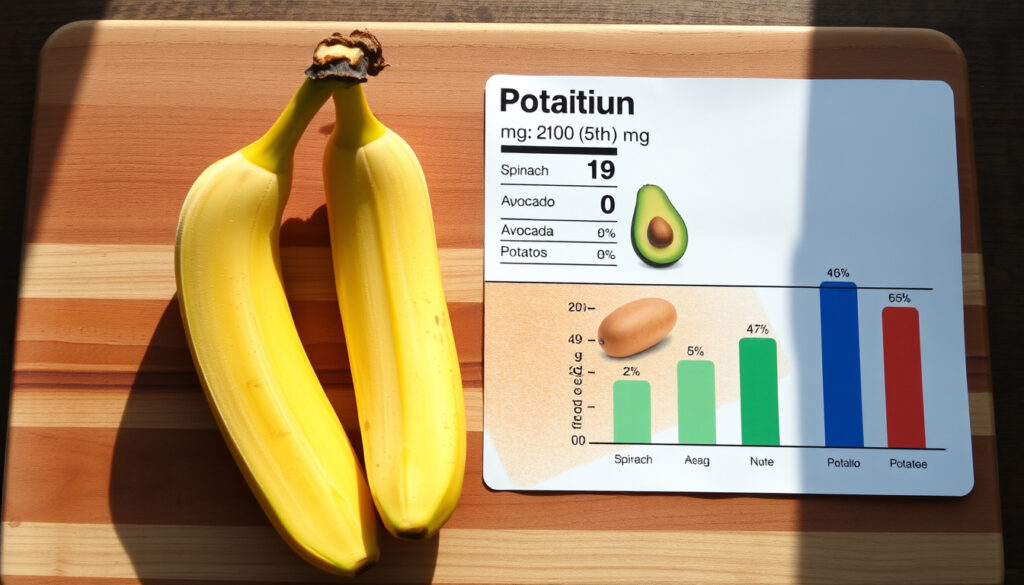
A medium banana contains approximately 420 to 451 milligrams of potassium, representing roughly 12% of the daily value recommended for healthy adults. This mineral plays a vital role in maintaining heart rhythm, muscle function, and fluid balance throughout the body. Understanding the exact potassium content in a banana helps individuals manage their dietary intake effectively, whether they are athletes seeking to replenish electrolytes or people monitoring their nutrition for health reasons.
Potassium requirements for adults stand at about 4,700 milligrams per day, according to health authorities. A single medium banana supplies a meaningful portion of this requirement, though it ranks below certain starchy vegetables like potatoes in overall potassium density. The exact amount varies depending on the banana’s size, ripeness, and growing conditions.
This article breaks down the potassium content of bananas in multiple units, explains how this compares to other foods, and addresses common questions about banana nutrition and daily potassium needs.
How Much Potassium Is in a Banana?
The potassium content in a banana depends primarily on its size. Healthcare sources consistently cite the following measurements for different banana sizes.
- A small banana contains approximately 358 milligrams of potassium, which equals roughly 10% of the daily value.
- A medium banana provides between 420 and 451 milligrams, accounting for about 12% of the daily value.
- Measurements per 100 grams show bananas contain approximately 358 milligrams of potassium regardless of size classification.
- When converted to milliequivalents, a medium banana delivers roughly 11 to 12 milliequivalents of potassium, since 1 milliequivalent equals approximately 39 milligrams.
- Green, less ripe bananas may contain slightly less potassium than those ripened to a yellow color with brown speckles.
- Organic and conventionally grown bananas show no significant difference in potassium content according to nutritional databases.
- Bananas provide a moderate potassium contribution, though they are not the densest source among common fruits and vegetables.
Potassium values can vary based on serving size definitions used by different sources. The Cleveland Clinic references “one medium banana” containing about 451 milligrams, while the NCBI nutritional database provides per-100g values and serving-specific data that may differ slightly. When tracking potassium intake, note whether your source uses a specific serving size or provides per-100g calculations that require adjustment based on actual consumption.
| Banana Size | Potassium (mg) | Potassium (mEq) | % of Daily Value |
|---|---|---|---|
| Small (about 6 inches) | 358 | 9.2 | 10% |
| Medium (about 7 inches) | 420–451 | 10.8–11.6 | 12% |
| Per 100g | 358 | 9.2 | 8% |
The NCBI nutritional database lists banana potassium content at 358 mg per 100 grams, with serving-specific data showing the variation between small and medium sizes. The Cleveland Clinic confirms the medium banana value at approximately 451 milligrams.
How Much Potassium Is in a Banana Peel?
Banana peel is not typically consumed by humans, and nutritional databases do not provide standardized potassium values for peels. While banana peels contain trace amounts of potassium, they are primarily composed of water and fiber that humans do not digest efficiently.
Some cultures consume banana peels in cooked or fried preparations, and limited analyses suggest peels may contain potassium, though bioavailability remains unclear due to the plant’s fibrous structure. The lack of comprehensive data reflects the minimal role banana peels play in human nutrition worldwide.
For practical dietary purposes, only the edible portion of the banana—the flesh—should be counted toward daily potassium intake. Anyone considering unusual uses of banana peels should consult current food composition databases, as systematic nutritional analysis of peels remains limited.
How Much Potassium Do You Need Per Day?
Health organizations recommend that healthy adults consume approximately 4,700 milligrams of potassium daily, according to WebMD and dietary guidelines. This translates to roughly 120 milliequivalents when using the conversion factor of 1 milliequivalent equals 39 milligrams of potassium.
This daily requirement should come primarily from food sources rather than supplements. Fruits, vegetables, and dairy products represent the main dietary contributors to potassium intake for most people.
Certain populations require different potassium intake levels. People with kidney disease may need to restrict potassium consumption under medical supervision, while athletes and individuals with high sweat rates may benefit from slightly higher intake to replace electrolyte losses.
A single medium banana at 420 to 451 milligrams provides approximately 9 to 12% of the recommended daily intake for a healthy adult, making bananas a useful contributor but not a sole source for meeting potassium needs.
Achieving the 4,700 mg daily target typically requires consuming multiple potassium-rich foods throughout the day. A medium banana at lunch, a potato at dinner, and servings of vegetables or dairy products can together reach the recommended intake. Simply eating several bananas alone would deliver excessive sugar and calories before reaching the potassium goal, so variety remains important.
Those interested in maintaining healthy blood pressure may find potassium particularly relevant, as the mineral helps counter sodium’s effects and supports proper vascular function. The relationship between potassium intake and cardiovascular health explains why nutritionists emphasize potassium-rich whole foods over processed alternatives.
Potassium in Other Common Foods
Comparing banana potassium content to other foods provides useful context for dietary planning. The NCBI food composition tables and Healthline resources offer reliable data across common foods.
Potato
A medium baked potato with skin contains approximately 919 milligrams of potassium, nearly double the amount in a medium banana. Healthline notes that eating the potato skin maximizes potassium intake, with the skin alone contributing significant mineral content. The potato delivers roughly 20% of the daily value in a single serving.
Milk
One cup of reduced-fat or 1% milk provides 366 to 388 milligrams of potassium per serving. WebMD cites this dairy source as a consistent contributor to daily potassium needs. Yogurt contains slightly higher amounts per comparable serving size, making dairy a reliable moderate-potassium option.
Orange
A medium orange contains 181 to 237 milligrams of potassium, representing approximately 5% of the daily value. Orange juice delivers a more concentrated dose at 496 milligrams per cup, though the fiber content in whole oranges provides additional nutritional benefits that juices lack.
Apple
A medium raw apple provides approximately 195 milligrams of potassium, according to the Kidney Kitchen potassium guide. Eating the apple with skin increases the value slightly to around 145 milligrams without skin. This places apples in the moderate-to-lower potassium range among common fruits.
Individuals following kidney-friendly or other medically prescribed low-potassium diets may need to limit banana consumption. The American Association of Kidney Patients advises those on restricted diets to avoid high-potassium foods including bananas and oranges, favoring lower-potassium alternatives like apples instead. Medical guidance should always determine individual dietary restrictions.
| Food | Typical Serving | Potassium (mg) | % of Daily Value |
|---|---|---|---|
| Potato (baked with skin) | 1 medium | 919 | 20% |
| Banana | 1 medium | 420–451 | 12% |
| Milk (1% reduced-fat) | 1 cup | 366–388 | 8% |
| Orange | 1 medium | 181–237 | 5% |
| Apple | 1 medium | 195 | 4% |
Ranking these foods by potassium density per typical serving shows potatoes leading significantly, followed by bananas and milk, with oranges and apples providing lower amounts. Those managing potassium intake should consider these comparisons when planning meals.
Incorporating a variety of potassium sources throughout the day helps meet nutritional needs without over-relying on any single food. Cooking methods also affect retention, with steaming and baking generally preserving potassium better than boiling, which can leach minerals into cooking water.
What Factors Affect Potassium Amounts?
Several variables influence the potassium content measured in bananas and other foods. Understanding these factors helps explain why published values sometimes differ slightly between sources.
Ripeness plays a measurable role in banana potassium content. As bananas ripen, starches convert to sugars and the mineral content shifts slightly. Green bananas may show marginally different readings than those with yellow peels and brown spots, though the difference rarely affects dietary significance.
Growing conditions including soil quality, climate, and harvest timing contribute to potassium variability in all produce. Bananas grown in potassium-rich soils may contain slightly higher mineral concentrations than those from depleted soils, though commercial testing ensures consistent nutritional profiles.
Preparation methods matter for other foods. Boiling potatoes in water removes potassium through leaching, while baking or microwaving with the skin intact preserves more of the mineral. These considerations become relevant when dietary potassium tracking requires precision.
Different nutritional databases may report slightly different values for identical foods due to varying analytical methods, sample sizes, and food variety classifications. The NCBI database, WebMD, and Healthline all draw from USDA food composition data but may apply different serving size definitions or update figures at different times. For precise dietary tracking, consistency in using one reliable source proves more valuable than seeking absolute single-measurement accuracy.
For individuals tracking potassium intake for health reasons, using a single consistent database and understanding the approximate range rather than an exact number provides practical guidance. The human body also regulates potassium within wide ranges, meaning minor variations in food content rarely cause concern for healthy individuals.
How Does Banana Potassium Compare to Daily Needs?
When measured against the 4,700-milligram daily recommendation for healthy adults, a medium banana supplies approximately 9 to 12% of total potassium needs. This places bananas in the moderate contributor category rather than the highest-potassium foods.
Athletes and physically active individuals may find bananas particularly convenient for potassium replenishment due to their portability, quick energy from natural sugars, and the fact that they provide meaningful potassium in a single, easy-to-eat serving. The combination of potassium, carbohydrates, and hydration support makes bananas a common choice during training and competition.
Those focused on maintaining healthy blood pressure may benefit from the potassium-sodium balance that bananas support, especially when combined with other whole foods and limited processed food intake. What Is Low Blood Pressure explores related cardiovascular considerations worth reviewing alongside potassium intake awareness.
For general nutrition, including one medium banana daily contributes meaningfully to potassium goals without excessive calorie or sugar intake. The fruit works well alongside other potassium sources like vegetables, dairy, and whole grains to create a balanced diet meeting mineral requirements.
Summary
A medium banana provides approximately 420 to 451 milligrams of potassium, representing about 12% of the daily value recommended for healthy adults. Converting this to milliequivalents yields roughly 11 to 12 mEq per medium banana. Banana peels are not typically consumed, and reliable data on their potassium content remains unavailable.
Comparing bananas to other foods shows potatoes deliver nearly double the potassium per serving, while milk provides comparable amounts. Oranges and apples offer lower but still meaningful contributions to daily intake. Those following medically restricted diets should consult healthcare providers about appropriate potassium consumption levels.
Meeting the 4,700-milligram daily target requires a varied approach incorporating multiple potassium sources across meals. Bananas serve as a convenient, portable option that contributes meaningfully without dominating total intake. Sweet Potato Air Fryer recipes offer an alternative method for preparing another potassium-rich food if you are looking to expand your options.
Frequently Asked Questions
How much potassium is in a banana in milliequivalents?
A medium banana contains approximately 11 to 12 milliequivalents of potassium. This calculation uses the standard conversion of 1 milliequivalent equals 39 milligrams of potassium, applied to the 420 to 451 milligram range documented for medium bananas.
How much potassium do you need per day?
Healthy adults need approximately 4,700 milligrams of potassium daily, which equals roughly 120 milliequivalents. This amount should come from food sources including fruits, vegetables, and dairy products rather than supplements where possible.
How much potassium is in a potato compared to a banana?
A medium baked potato with skin contains approximately 919 milligrams of potassium, nearly double the 420 to 451 milligrams found in a medium banana. Potatoes rank among the highest-potassium foods commonly consumed in Western diets.
How much potassium is in milk?
One cup of reduced-fat milk provides 366 to 388 milligrams of potassium per serving, slightly less than a medium banana but still a meaningful contributor to daily intake. Yogurt typically contains slightly higher amounts per comparable serving.
Is banana peel potassium data available?
Reliable nutritional databases do not provide standardized potassium values for banana peels because they are not typically consumed by humans. Limited analyses suggest some potassium presence, but bioavailability and human-relevant data remain unestablished.
How does banana size affect potassium content?
A small banana contains approximately 358 milligrams of potassium while a medium banana contains 420 to 451 milligrams. The difference reflects actual mass rather than mineral density, as the per-100-gram value remains consistent at 358 milligrams regardless of size classification.
Can you eat too many bananas for potassium?
For healthy individuals, excess potassium from food sources is typically filtered by healthy kidneys without issue. However, those with kidney disorders or on potassium-restricted diets may need to limit banana consumption. Medical guidance should determine safe intake levels for anyone with kidney-related health concerns.
More related posts
 Dawn Porter vs Dawn O’Porter: Why She Changed Her Name
 How to Get Rid of Acne – Practical Steps to Clear Skin
 Tower Air Fryers Recall – Affected Models and Claim Guide
 Gary Speed: Career, Death, and Legacy of the Welsh Football Icon
 What Is Net Zero? Meaning, Examples and 2050 Goals
 Sarah Lancashire: Biography, Career, Awards, and Height
 Forrest Gump: Real Story, Disability, Meaning, and More
 Minnie Mouse: Real Name, Gender, Why She Never Married