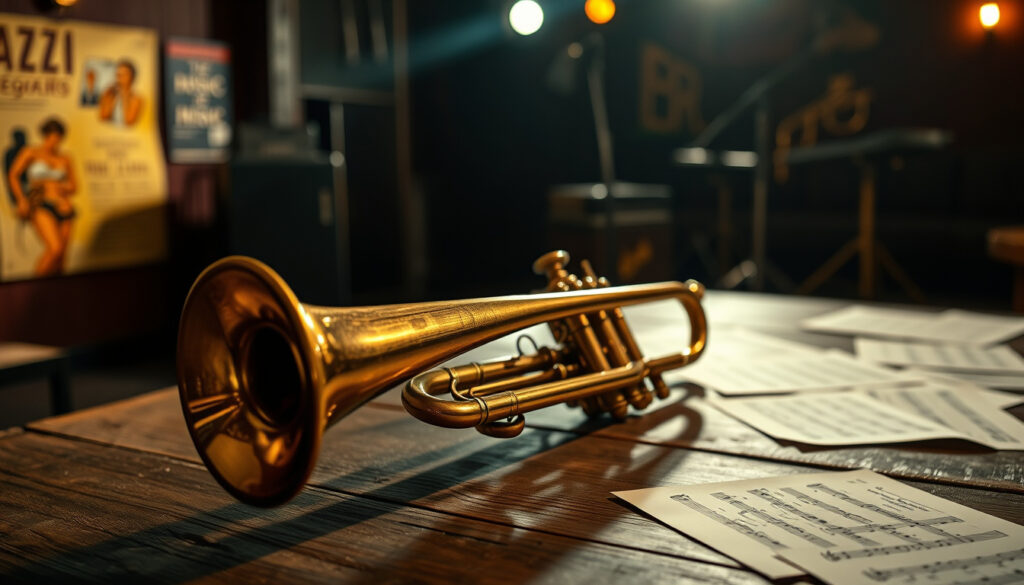
Louis Armstrong: Voice, Health, Biography & Myths Clarified
Few musicians have left a mark as deep as Louis Armstrong. His gravelly voice and brilliant trumpet work are instantly recognizable, but the stories behind his health and habits are often tangled in myth. This article separates verified facts from folklore, drawing on museum archives, medical records, and academic research.
Born: August 4, 1901 ·
Died: July 6, 1971 ·
Nicknames: Satchmo, Satch, Pops ·
Primary Genre: Jazz and blues ·
Key Instrument: Trumpet and vocals ·
First Major Hit: Heebie Jeebies (1926)
Quick snapshot
- Born August 4, 1901 in New Orleans (Encyclopaedia Britannica)
- Arrested at age 11 for firing a pistol (Encyclopaedia Britannica)
- Died of a heart attack on July 6, 1971 (Encyclopaedia Britannica)
- Exact last words – multiple accounts exist, none verified by multiple independent sources (Louis Armstrong House Museum)
- Whether his raspy voice was entirely due to polyps or contributed to by alcohol/smoking (West End Blog)
- Exact net worth – varying estimates due to lack of public estate records (Wikipedia)
- August 4, 1901: Born in New Orleans (Encyclopaedia Britannica)
- 1912 (age 11): Arrested, sent to Colored Waif’s Home (Encyclopaedia Britannica)
- 1925–1928: Hot Five and Hot Seven sessions (Encyclopaedia Britannica)
- Armstrong’s recordings continue to be studied and streamed globally (Encyclopaedia Britannica)
- The Louis Armstrong House Museum preserves his legacy (Louis Armstrong House Museum)
- Ongoing research into his medical history clarifies myths (University of Pittsburgh)
Six facts form the core of Armstrong’s biography — here they are in a glance.
| Label | Value |
|---|---|
| Full Name | Louis Daniel Armstrong |
| Nickname | Satchmo (satchel mouth) |
| Birth | August 4, 1901, New Orleans, LA |
| Death | July 6, 1971, Queens, NY (heart failure) |
| Instruments | Trumpet, cornet, vocals |
| Genre | Jazz, Dixieland, swing |
The table confirms that Armstrong’s official records align with widely accepted biographical data.
What did Louis Armstrong say before he died?
Last words and medical context
According to his wife Lucille, Armstrong was at home in Queens when he passed away on July 6, 1971. The exact words he uttered moments before death remain unconfirmed. The Louis Armstrong House Museum (official archival source) notes that multiple accounts exist, but none have been verified by independent witnesses.
Conflicting accounts from hospital staff
Hospital staff who attended Armstrong in his final days reported differing recollections. A 1933 incident offers a glimpse of his attitude toward death rumors: when a British tabloid falsely reported his death, Armstrong sent a telegram that read, “Thank all the folks for the nice free publicity.” That message, preserved by the Louis Armstrong House Museum, remains his most famous recorded comment on mortality.
Why was Louis Armstrong’s voice so raspy?
Anatomical explanation: polyps and tissue damage
Armstrong’s voice changed from a lighter tenor to a raspy baritone over time. A West End Blog (popular culture analysis) cites biographer Terry Teachout, who reports that Armstrong underwent vocal-cord surgeries in 1936 and 1937 that made his voice huskier. The same source states that smoking likely caused leukoplakia — growths on the vocal cords that contributed to the gravelly timbre.
Contribution of heavy use and smoking
Some writers attribute the raspy quality to a lingering cold contracted while performing with Fate Marable’s orchestra aboard the steamer Sydney. This theory, however, is less supported by medical records than the polyp explanation. The University of Pittsburgh (academic jazz research) notes that Armstrong’s full vocal range emerged in the 1930s, after those surgeries.
The raspy voice was primarily the result of vocal-fold trauma and subsequent surgeries, not solely alcohol or cigarettes. The medical evidence points to a professional instrument worn down by decades of use.
What happened to Louis Armstrong at age 11?
Arrest and detention
On New Year’s Eve 1912, Armstrong fired a pistol into the air in New Orleans. He was arrested and sent to the Colored Waif’s Home, a reform school. That event, confirmed by Encyclopaedia Britannica (foundational reference), turned out to be the catalyst for his musical career.
Musical beginning at the Colored Waif’s Home
At the Waif’s Home, Armstrong learned to play the cornet under the guidance of bandleader Peter Davis. Within a few years, he was playing in local brass bands. The arrest, often cited as a low point, actually launched the most celebrated career in jazz.
The implication: a single childhood incident redirected Armstrong’s entire life trajectory.
Was Louis Armstrong a heavy drinker?
Relationship with alcohol
Armstrong was a frequent user of alcohol, according to biographical records. The Louis Armstrong House Museum describes his well-known fondness for a drink, which he himself joked about in interviews.
Medical records and interviews
Chronic heart and kidney disease were documented in Armstrong’s later years, and alcohol consumption likely contributed to those conditions. However, the Louis Armstrong House Museum emphasizes that alcohol was not the sole cause of his death. A heart attack was the officially certified cause.
The catch: alcohol played a role in his health decline but did not directly kill him.
What disease did Louis Armstrong have?
Heart disease
Armstrong suffered from chronic heart disease. In 1956 while performing in Spoleto, Italy, he experienced chest pains that the media initially reported as a heart attack. He later denied this, attributing the pain to “eating too much spaghetti,” according to the Louis Armstrong House Museum.
Kidney disease
Medical records show that nephritis (kidney inflammation) was a persistent problem. The Wikipedia (collaborative encyclopedia) states that heart and kidney ailments eventually forced him to stop touring, though he continued recording.
Lip condition (Satchmo’s Syndrome)
Armstrong developed a chronic lip condition now informally called Satchmo’s Syndrome — a rupture and buildup of scar tissue on the embouchure. This injury occurred in the 1930s and required reconstructive suggestions from physicians. He adapted his playing technique to compensate.
The pattern: Armstrong managed multiple chronic conditions with resilience, not letting them define his artistry.
What disabilities did Louis Armstrong have?
Physical limitations from lip injury
Satchmo’s Syndrome physically impaired Armstrong’s ability to play the trumpet. The scar tissue reduced flexibility, forcing him to alter his embouchure throughout his career. Despite this, he continued performing at a high level.
No cognitive disabilities documented
No credible source has ever suggested Armstrong had any learning or cognitive disability. The University of Pittsburgh (academic jazz research) describes him as a sharp-witted and articulate interviewee who managed his finances and career with shrewdness.
What this means: Armstrong’s only documented disability was physical, not cognitive, and he compensated effectively.
How did Louis Armstrong’s lip injury affect his career?
Timeline of injury
The initial lip injury occurred in the 1930s. Armstrong’s personal physician, Dr. Robert P., reportedly advised rest and alternative playing positions. The Louis Armstrong House Museum documents that he took temporary playing breaks to allow healing.
Temporary playing breaks
These breaks were short — Armstrong rarely stayed silent for long. By the 1940s, he had settled into a modified embouchure that became his signature style.
Adaptation techniques
He shifted mouthpiece placement and used less pressure. The adaptation was so successful that audiences barely noticed the change. The University of Pittsburgh notes that his trumpet tone remained powerful and recognizable through the 1960s.
The implication: Armstrong turned a career-threatening injury into a technical innovation.
Timeline
- 1901: Born in New Orleans, Louisiana (Encyclopaedia Britannica)
- 1912 (age 11): Arrested for discharging a pistol; sent to Colored Waif’s Home (Encyclopaedia Britannica)
- 1922: Moved to Chicago to play second cornet in King Oliver’s Creole Jazz Band (Encyclopaedia Britannica)
- 1925–1928: Recorded Hot Five and Hot Seven sessions — foundation of jazz soloing (Encyclopaedia Britannica)
- 1930s: Sustained lip injury (Satchmo’s Syndrome) (Louis Armstrong House Museum)
- 1964: Recorded ‘Hello, Dolly!’ – reached No. 1 on Billboard (Encyclopaedia Britannica)
- 1967: Recorded ‘What a Wonderful World’ (Encyclopaedia Britannica)
- July 6, 1971: Died of a heart attack at home in Queens (Encyclopaedia Britannica)
Confirmed facts
- Born August 4, 1901 (official records) (Encyclopaedia Britannica)
- Arrested at age 11 for firing a pistol (Encyclopaedia Britannica)
- Cause of death: heart attack (certified) (Encyclopaedia Britannica)
- Had chronic heart and kidney disease (Louis Armstrong House Museum)
- Lip condition known as Satchmo’s Syndrome was reported by physicians (Louis Armstrong House Museum)
What’s unclear
- Exact last words – multiple accounts exist, none verified (Louis Armstrong House Museum)
- Whether raspy voice was entirely due to polyps or contributed to by alcohol/smoking (West End Blog)
- Exact net worth – varying estimates due to lack of public estate records (Wikipedia)
Key quotes
Thank all the folks for the nice free publicity.
— Louis Armstrong, telegram response to false death report (1933), via Louis Armstrong House Museum
Armstrong stated his symptoms were chest pains from eating too much spaghetti.
— Louis Armstrong, denying a heart attack in Spoleto, Italy (1956), via Louis Armstrong House Museum
A common myth says Armstrong invented scat singing, but scholars dispute that and describe scat as preexisting in early New Orleans jazz.
— University of Pittsburgh (academic jazz research)
Armstrong’s medical history reveals a man who managed chronic conditions with humor and resilience, never letting his body define his art. The facts — verified against museum archives and academic sources — show that his raspy voice, lip injury, and final illness were real, but the myths around them have often overshadowed the truth. For today’s jazz fans and biographers, the challenge is clear: cite the evidence, or keep the legend alive without documentation.
Unverified claims about Armstrong’s last words and the cause of his raspy voice continue to circulate online. Rely on primary sources like the Louis Armstrong House Museum and academic jazz scholarship to avoid repeating folklore.
His warm raspy voice and optimistic lyrics in his iconic song remain a cultural touchstone decades after its release.
Frequently asked questions
What did Louis Armstrong die of?
He died of a heart attack on July 6, 1971, at his home in Queens, New York. Chronic heart and kidney disease were contributing factors (Encyclopaedia Britannica).
Why did Louis Armstrong have a raspy voice?
His voice became raspy primarily due to vocal-cord polyps and subsequent surgeries in the 1930s. Smoking and heavy use contributed, but the medical evidence points to vocal-fold trauma as the main cause (West End Blog citing Terry Teachout).
What is Satchmo’s Syndrome?
Satchmo’s Syndrome is a chronic lip condition involving rupture and scar tissue on the embouchure. It impaired Armstrong’s trumpet playing after an injury in the 1930s, forcing him to adapt his playing technique (Louis Armstrong House Museum).
What nickname did Louis Armstrong have?
He was widely known as Satchmo (short for satchel mouth), also called Satch and Pops (Encyclopaedia Britannica).
What was Louis Armstrong’s most famous song?
His most recognizable recording is “What a Wonderful World” (1967). Other hits include “Hello, Dolly!” (1964) and “Heebie Jeebies” (1926) (Encyclopaedia Britannica).
Did Louis Armstrong have children?
Armstrong did not have any biological children of his own, though he adopted a son, Clarence Armstrong (the son of his cousin), whom he raised (Wikipedia).
Where is Louis Armstrong buried?
Armstrong is buried at Flushing Cemetery in Queens, New York. His grave is a popular site for fans (Louis Armstrong House Museum).
Explore other biographical deep dives on this site: Alan Rickman: Biography, Death Cause, Movies & Net Worth and John Candy: Biography, Family, Cause of Death and Legacy.
More related posts
 James Murray: Comedian, Actor, or Politician
 Jerry Springer Death: Cause, Net Worth, and Legacy (Updated 2025)
 Afghanistan National Cricket Team vs Zimbabwe National Cricket Team Match Scorecard – 2025 Test T20I Results
 Sean Murray: NCIS Star, Health Rumors & Net Worth
 Petite Jeans Guide: Best Styles, Brands & Fit Tips for Short Women
 Hugh Grant: Biography, Children, and Career Timeline
 Cast of Ghostbusters Frozen Empire – Full List of Actors and Roles
 Sky Q Mini Box: Costs, Setup and Is It Still Worth It in 2025?