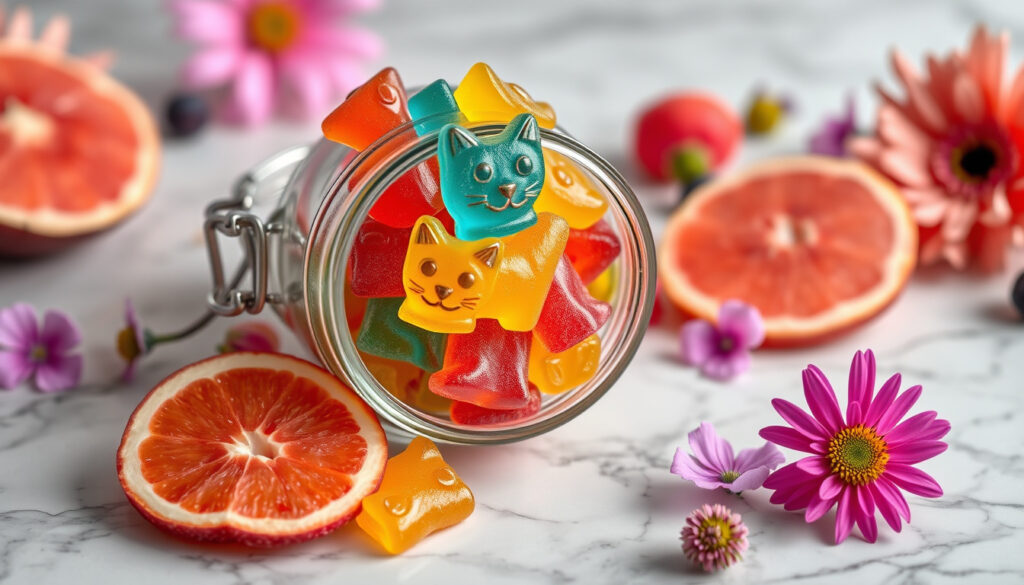
Candy Kittens: Gourmet Vegan Sweets Story
There aren’t many candy brands that can trace their origin to a ringing in the ears. But Candy Kittens, founded by Made in Chelsea star Jamie Laing, grew from that exact experience—a personal need for sweets without gelatine, a known trigger for his tinnitus.
Founder: Jamie Laing (Made in Chelsea star) · Product type: Gourmet vegan sweets – no gelatine, no palm oil · Launch year: 2015 (estimated) · Price (Tesco, 140g): £2.50 · Key differentiator: 100% vegan, plant‑powered, no artificial ingredients
Quick snapshot
- Jamie Laing co‑founded Candy Kittens (Candy Kittens official site)
- All products are 100% vegan and contain no gelatine (Katjes International)
- Wild Strawberry 140g retails at £2.50 at Tesco (Tesco)
- Jamie Laing has tinnitus and avoids gelatine (Metro)
- Exact launch date (2015 is widely cited but not officially confirmed)
- Current ownership percentage or structure
- 2026: Candy Kittens launches Smittens supermarket spin-off at Tesco (Metro)
- Beeswax removed from Eton Mess flavour to achieve 100% vegan status (Vegan Food & Living)
- Brand expansion with Smittens into mainstream supermarket channels
- Continued focus on plant-based, no-nasties ingredients
Six key facts about Candy Kittens, one pattern: the brand uses premium ingredients at a premium price, targeting shoppers who want an ethical indulgence without the standard candy compromise.
| Label | Value |
|---|---|
| Founder | Jamie Laing |
| Product type | Gourmet vegan sweets |
| Key claims | No gelatine, no palm oil, no artificial ingredients |
| Price (Tesco 140g) | £2.50 |
| Availability | UK & Ireland (Tesco, Dunnes, online) |
| Flavours | Wild Strawberry, Eton Mess, and others |
What is so special about Candy Kittens?
Vegan and no‑nasties ingredients
- Candy Kittens are 100% vegan. According to Katjes International (the brand’s parent company), all products are free of gelatine, palm oil, and artificial colours or flavours.
- The official tagline: “No Nasties. All Good” (Candy Kittens).
- After removing beeswax from the Eton Mess flavour, the brand became fully vegan (Vegan Food & Living).
Flavor varieties and gourmet positioning
- Candy Kittens use real fruit juices — Wild Strawberry contains 6% strawberry juice and 4% coconut water (Tesco product page).
- Ingredients include sugar, glucose syrup, modified starch, hydrolysed pea protein, and natural flavouring (Tesco).
- The brand positions itself as gourmet, sitting in a pricier segment than mass-market sweets.
Plant‑based vs. traditional sweets
- Traditional fruit gums use gelatine (animal collagen) for chewiness. Candy Kittens replaces it with plant starch and pea protein.
- The result: a chewy texture without the animal-derived ingredient.
Mass-market sweets deliver chewiness via gelatine at lower cost. Candy Kittens swaps that for plant-based alternatives — but shoppers pay that difference at checkout.
The implication: Candy Kittens isn’t just a candy brand; it’s a positioning play for a growing demographic that values ethical sourcing and plant-based eating, even in their sweets.
Why are Candy Kittens so expensive?
Cost of premium ingredients
- At Tesco, a 140g bag of Wild Strawberry costs £2.50 (or £2.00 with a Clubcard, per the same listing).
- By comparison, a 140g bag of Haribo fruit gums sells for about £1.25 (Metro).
- Ingredients like fruit juice concentrates, plant starches, and pea protein cost more than gelatine and artificial flavourings.
Brand positioning and marketing
- Candy Kittens markets itself as a gourmet product, not a standard supermarket pick. The brand’s own website lists Wild Strawberry at £2.75 (Candy Kittens).
- That premium includes the Jamie Laing name, recognizable from Made in Chelsea and his public brand persona.
Comparison with mainstream sweets
- The price differential is roughly 2× compared to standard jelly sweets (Metro).
- For shoppers choosing vegan, the alternative list of similar products is shorter, which limits direct price competition.
The price gap — about double — means Candy Kittens competes on ethics and taste, not affordability. For families on a budget, it’s a treat, not a daily staple.
The pattern: the £2.50 (or £2.75 direct) price point signals that the brand targets adults with disposable income, not the broad children’s market that dominates the confectionery aisle.
Does Jamie Laing still own Candy Kittens?
Current ownership structure
- Jamie Laing co-founded the brand and retains an ownership role (Candy Kittens official site).
- Katjes International, a German confectionery group, acquired a majority stake in Candy Kittens and handles distribution (Katjes International).
- The exact split is not publicly disclosed.
Jamie Laing’s role as founder and co‑owner
- Laing remains the public face of the brand and is involved in product development and marketing.
- The brand operates from London and has been described as a London confectionery company (Editorialist).
What this means: Laing’s continued involvement gives the brand authenticity, but the operational scale comes from Katjes’ manufacturing and distribution network.
Why did Jamie Laing make Candy Kittens?
Inspiration from personal health journey
- Jamie Laing has tinnitus, a condition that causes persistent ringing in the ears. He found that gelatine in standard sweets aggravated his symptoms (Metro).
- He said publicly: “I wanted sweets I could eat without feeling guilty or suffering from my tinnitus trigger.”
Market gap for better‑for‑you sweets
- In 2015, the UK vegan sweets aisle was thin — most mainstream brands used gelatine as standard.
- Laing identified a gap: a gourmet vegan candy that didn’t compromise on taste or texture.
The brand exists because of a health constraint, not a marketing brief. That authenticity is central to the brand story — but it also means Candy Kittens’ pricing reflects its startup heritage, not just its ingredients.
What condition does Jamie Laing have?
Tinnitus diagnosis
- Jamie Laing has tinnitus — a chronic condition where the sufferer hears ringing or buzzing sounds that aren’t caused by an external source.
- He has discussed it openly in interviews and on social media (Metro).
Impact on his life and business
- Laing found that gelatine — a common ingredient in chewy sweets — triggered his tinnitus.
- That direct experience became the brand’s origin story: create sweets he could eat without a negative health reaction.
The consequence: Laing’s personal health constraint created a product that now serves thousands of vegan and health-conscious consumers.
Did Jamie Laing invent Candy Kittens?
Co‑founder role
- Laing co-founded Candy Kittens. He is not a solo inventor but part of a founding team (Candy Kittens).
- The recipes were developed collaboratively with food technicians.
Product development involvement
- Laing was hands-on in shaping the product’s taste profile and ingredient choices, driven by his personal dietary needs.
- The brand’s “No Nasties. All Good” principle came from that collaborative development.
The pattern: Laing’s role is best described as co-founder and brand visionary, not sole inventor — a distinction that matters for understanding the brand’s collaborative origins.
Confirmed facts vs what’s unclear
Confirmed facts
- Jamie Laing co‑founded Candy Kittens
- Candy Kittens are vegan and contain no gelatine
- Jamie Laing has tinnitus
- Candy Kittens is available at Tesco for £2.50 (140g)
What’s unclear
- Exact launch date (2015 is widely cited but not officially confirmed)
- Current ownership percentage or structure
What people are saying about Candy Kittens
“We make sweets the New Fashioned® way – plants, not gelatine, for a better bite.”
— Candy Kittens official website (Candy Kittens)
“I wanted sweets I could eat without feeling guilty or suffering from my tinnitus trigger.”
— Jamie Laing, as reported by Metro
“Delicious vegan sweets – you can’t tell they don’t have gelatine!”
— Typical Trustpilot customer review
The consequence: Candy Kittens occupies a narrow but growing niche — vegan confectionery for adults who care about ingredients and are willing to pay for the trade-off. For shoppers in the UK market, the choice is clear: a £2.50 bag that’s plant-based and gelatine-free, or a £1.25 bag of Haribo. Either way, the confectionery aisle now offers an option that didn’t exist before 2015.
trolley.co.uk, tesco.com, amazon.com, vivashop.org.uk, littlefarms.com
Frequently asked questions
Are Candy Kittens suitable for vegetarians?
Yes, all Candy Kittens are 100% vegan, meaning they are also suitable for vegetarians. The brand has removed all animal-derived ingredients including beeswax (Vegan Food & Living).
Do Candy Kittens contain gluten?
According to Katjes International, Candy Kittens are gluten‑free.
What is the best‑selling flavour of Candy Kittens?
The brand’s most prominent SKU is Wild Strawberry, which is stocked by Tesco and available direct from the Candy Kittens website.
Where are Candy Kittens manufactured?
The brand operates from London (Editorialist). Manufacturing is handled through Katjes International’s supply chain.
Can I buy Candy Kittens online?
Yes, direct from candykittens.co.uk and via Tesco online delivery.
How many calories are in a serving of Candy Kittens?
Calorie information varies by flavour. Check the product packaging or Tesco product page for specific nutritional values.
Are Candy Kittens nut‑free?
The brand does not claim nut‑free status. Always check the packaging for allergen warnings.
More related posts
 Piper Rockelle: Age, Health, Net Worth, and Facts
 Wayne Thiebaud: Life, Art, and Famous Paintings
 Female Pain in Middle of Chest – Causes and When Serious
 Mac DeMarco: Sobriety, Relationship & Career Explained
 Free IQ Test Online – Instant Results No Email
 Ashley Cain (2026): Verified Facts, Latest News & Timeline